

Selecting the appropriate educational institution for your child represents one of the most significant decisions parents face. In South Bangalore, where numerous CBSE-affiliated schools compete for enrollment, making an informed choice requires systematic evaluation across multiple parameters. This comprehensive guide outlines the critical factors parents should consider when comparing CBSE schools in areas including Jayanagar, JP Nagar, BTM Layout, Bannerghatta Road, and surrounding localities.
Academic excellence forms the foundation of quality education. When evaluating schools, parents should conduct a thorough analysis of academic performance indicators spanning multiple years rather than relying on single-year results.
Key metrics to examine include:
Consistent academic performance demonstrates institutional stability and effectiveness. Schools should willingly provide detailed performance data and maintain transparency regarding their educational outcomes.
The caliber of teaching faculty directly correlates with student learning outcomes. Educational research consistently demonstrates that teacher quality represents the most significant in-school factor affecting student achievement.
Critical considerations regarding faculty include:
Parents should inquire about the school's faculty recruitment standards, ongoing training initiatives, and mechanisms for maintaining teaching quality. High teacher turnover often indicates underlying institutional challenges that may affect educational continuity.
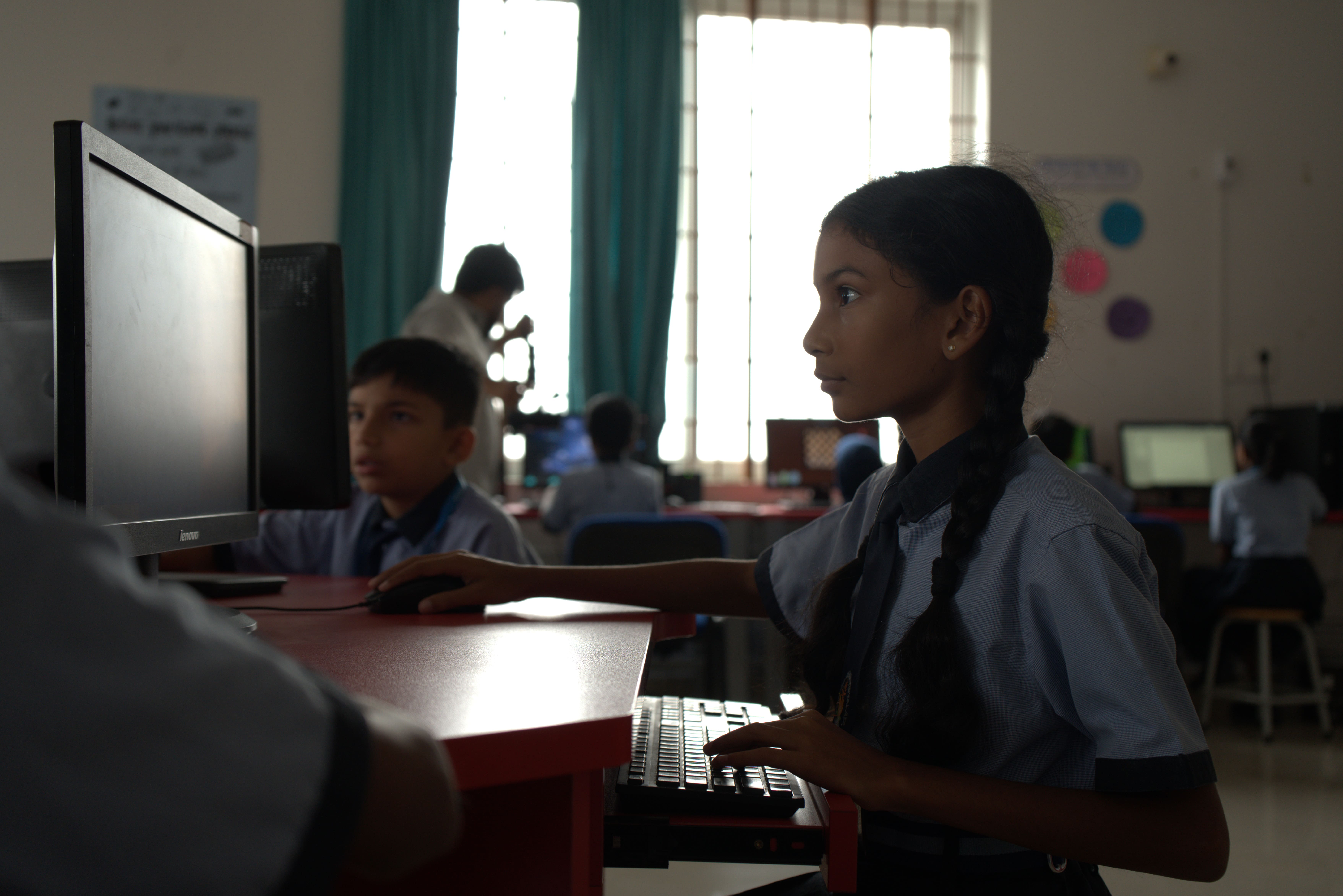
Physical infrastructure plays a vital role in facilitating comprehensive education. Modern educational facilities should support both academic rigor and holistic development.
Essential infrastructure components include:
-min.jpg)
%20(2)-min.jpg)
-min.jpg)
.jpg)
Additionally, safety infrastructure warrants careful scrutiny. Comprehensive security measures including CCTV surveillance, controlled access points, fire safety systems, medical facilities, and trained personnel demonstrate institutional commitment to student welfare. Given Bangalore's transportation challenges, reliable and safe school transport systems with GPS tracking represent significant value-additions.
Holistic education extends beyond academics to encompass physical, creative, and social development. The National Education Policy 2020 emphasizes integrated learning that develops multiple competencies.
Evaluate schools based on their offerings in:
An extensive annual calendar featuring competitions, workshops, field experiences, and cultural events indicates institutional commitment to comprehensive student development. Schools should articulate clear frameworks for documenting and recognizing student achievements across diverse domains.
Educational expenses represent substantial long-term financial commitments requiring careful planning. Fee structures in South Bangalore's CBSE schools demonstrate considerable variation, necessitating transparent cost analysis.
Comprehensive financial evaluation should include:
Value assessment extends beyond absolute cost to consider the comprehensive benefits provided relative to fees charged. Parents should evaluate whether the educational experience, facilities, faculty quality, and outcomes justify the financial investment.
Location considerations include:
Conducting trial commutes during typical school hours provides realistic assessment of daily transportation demands. Schools closer to residence, even if slightly less prestigious, may offer superior practical advantages.
Every educational institution develops distinctive cultural characteristics and pedagogical approaches. Alignment between institutional values and family educational philosophies enhances student adjustment and satisfaction.
Cultural assessment requires evaluation of:
In South Bangalore's complex urban environment, location significantly impacts daily family logistics and student wellbeing. Extended commutes affect student rest, study time, and overall quality of life.
Location considerations include:
Conducting trial commutes during typical school hours provides realistic assessment of daily transportation demands. Schools closer to residence, even if slightly less prestigious, may offer superior practical advantages.
Every educational institution develops distinctive cultural characteristics and pedagogical approaches. Alignment between institutional values and family educational philosophies enhances student adjustment and satisfaction.
Cultural assessment requires evaluation of:
Location considerations include:
Conducting trial commutes during typical school hours provides realistic assessment of daily transportation demands. Schools closer to residence, even if slightly less prestigious, may offer superior practical advantages.
Every educational institution develops distinctive cultural characteristics and pedagogical approaches. Alignment between institutional values and family educational philosophies enhances student adjustment and satisfaction.
Cultural assessment requires evaluation of:
Campus visits during operational hours, observation of student-teacher interactions, and conversations with current parents provide authentic insights into institutional culture. Administrative responsiveness during the inquiry process often predicts long-term communication quality.
Effective parent-school partnerships enhance educational outcomes. Schools should maintain structured communication channels facilitating regular updates and collaborative problem-solving.
Effective communication systems include:
Schools demonstrating commitment to partnership rather than mere information dissemination create environments where concerns receive prompt attention and collaborative solutions emerge.
Reputation reflects accumulated stakeholder experiences and provides valuable, albeit subjective, input for decision-making.
Reputation assessment should incorporate:
While established institutions offer proven track records, newer schools with strong management and vision may provide modern approaches and facilities. Balanced consideration prevents excessive weight on reputation at the expense of objective evaluation.
Effective school selection requires structured comparison methodology. Parents should develop evaluation matrices incorporating weighted factors based on individual family priorities.
Recommended approach:
This systematic approach balances objective criteria with subjective impressions, producing well-reasoned decisions resistant to marketing influences or peer pressure.
Selecting the optimal CBSE school in South Bangalore requires comprehensive evaluation across academic, infrastructural, cultural, and practical dimensions. No single institution excels uniformly across all parameters; rather, the ideal school aligns with your child's unique learning needs, personality, and your family's values and circumstances.
Invest adequate time in thorough research, maintain realistic expectations regarding institutional perfection, and trust informed judgment developed through systematic evaluation. The right educational environment provides not merely academic instruction but comprehensive support for your child's intellectual, emotional, and social development throughout their formative years.
The decision you make today establishes the foundation for your child's educational journey and future opportunities. Approach it with diligence, deliberation, and confidence in your capacity to identify the institution where your child will thrive.