

Every year, the same ritual plays out. Board exam results arrive, toppers' lists circulate on WhatsApp groups, and schools compete for the highest percentage in the neighbourhood. It's easy to believe that a "good school" is simply one that produces the best scorecards.
But ask any parent five years after their child has left school what actually mattered, and marks rarely top the list. What stays with them is whether their child grew into a confident, kind, capable person. That's the real measure of a good school, and it has very little to do with a single exam paper.
A test score tells you how a child performed on one day, under one set of conditions, on one set of questions. It says almost nothing about how they think, how they treat people, or how they'll handle the first real setback life throws at them.
Concept clarity matters far more than memorisation. A child who understands why a formula works will still be able to use it years later. A child who has only memorised it for the exam will forget it the week after. Good schools design lessons so that ideas are understood, not just recited, whether that means measuring the school garden to learn geometry or turning a science period into an outdoor investigation of a local ecosystem.
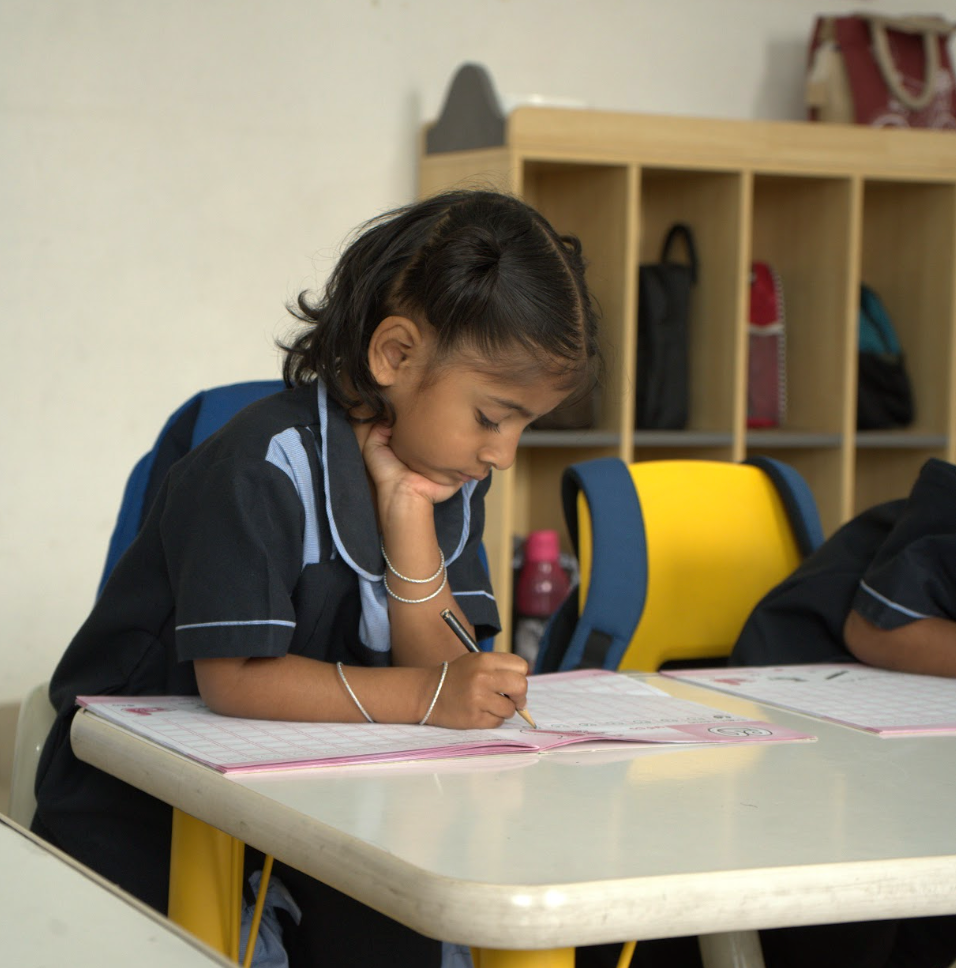
A truly good school treats values, empathy, and discipline as seriously as it treats mathematics and language. This isn't a side activity squeezed in during a free period. It shows up in how teachers respond when a child makes a mistake, how conflicts between students are handled, and whether honesty and effort are noticed as much as high scores.
Schools that get this right often follow a developmental approach rather than a one-size-fits-all method. A useful way to think about it is in stages:
This is close to the philosophy schools like Poorna Vikasa Vidyalaya (PVV) in JP Nagar, Bangalore, described as their Holistic Pathway: Discover, Explore, Grow, and Excel. It's a reminder that growth happens in stages, and a good school designs for the whole arc, not just the final exam.
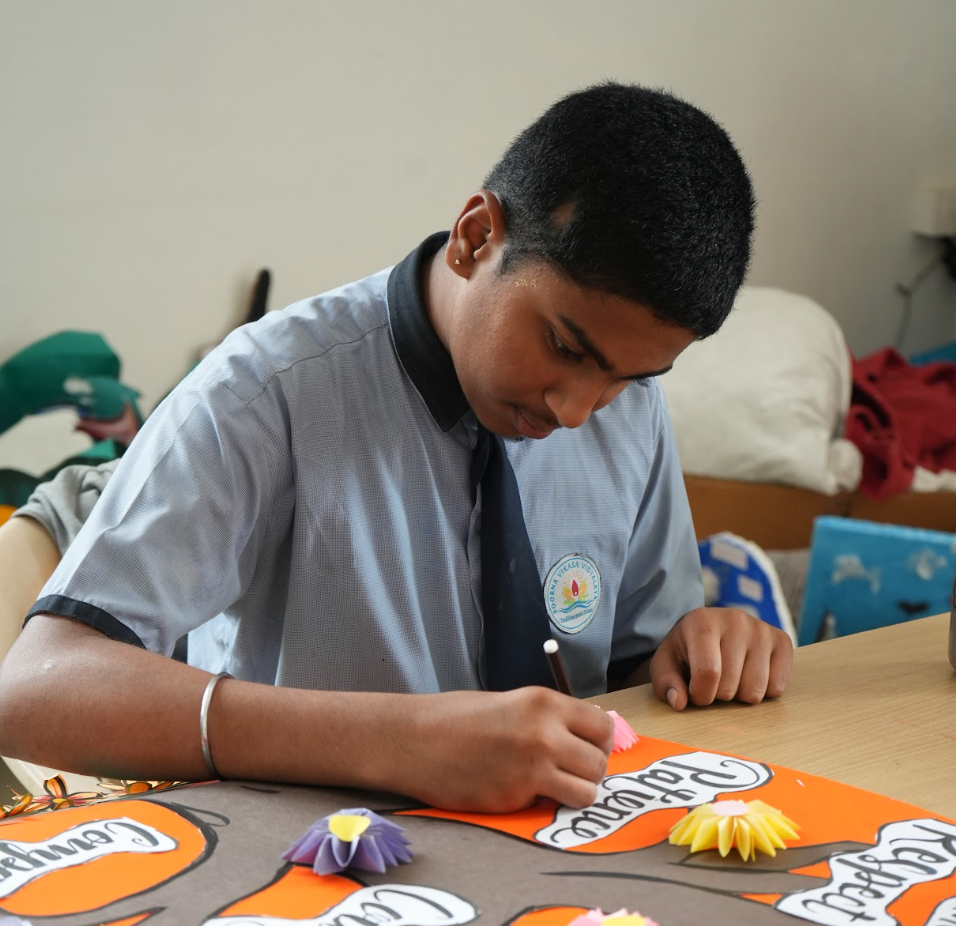
A child who is anxious, unseen, or afraid to ask questions will not learn well, no matter how good the syllabus is. Good schools pay close attention to emotional safety: small enough class sizes for individual attention, teachers who know each child by name and temperament, and a culture where mistakes are treated as part of learning rather than something to hide.
Ask yourself, as a parent, a few honest questions when you evaluate a school:
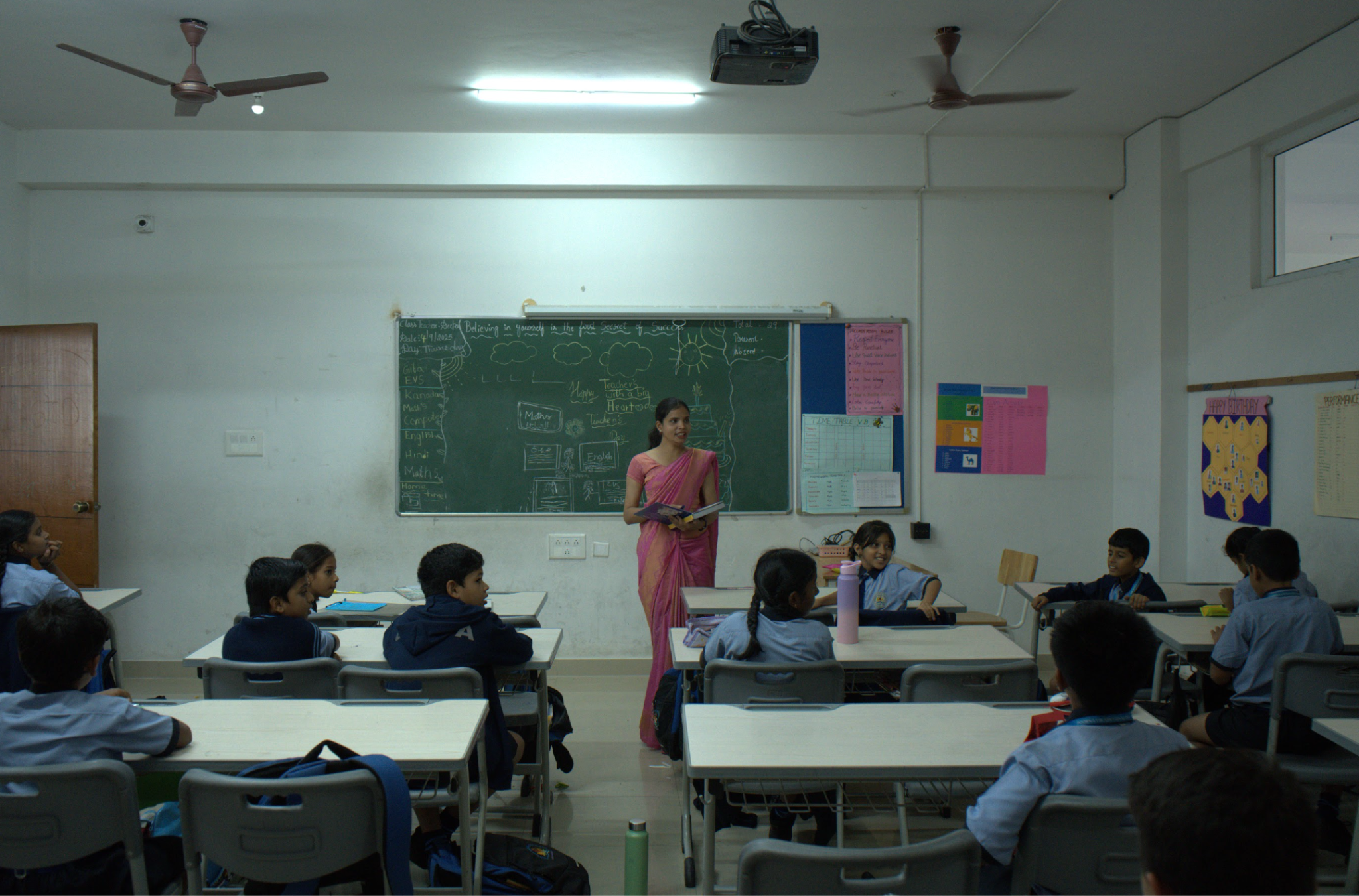
The workplace your child enters will not ask for their Class 10 percentage. It will ask whether they can communicate clearly, solve problems they haven't seen before, work in a team, and adapt when circumstances change. Schools that build in coding, robotics, public speaking, and collaborative projects alongside the standard curriculum are preparing students for that reality, not just for the next exam.
This is also where cultural rootedness matters. A school that blends strong academics with an emphasis on values, whether through classes rooted in Indian traditions or simply a daily culture of respect and gratitude, gives children an anchor. Confidence built on values tends to be steadier than confidence built on grades alone.
Visit the campus. Watch a class in progress. Talk to current parents, not just the admissions team. Notice whether children seem curious or simply obedient. Notice whether teachers speak about students as individuals or as a batch.
A good school is one where your child is seen, not just scored. Marks will always matter to some degree, they open doors and mark milestones. But they are the by-product of good education, not its purpose. The schools worth choosing are the ones building mindset, character, and real capability first, trusting that the marks will follow.
If you're evaluating schools in South Bangalore, it's worth exploring how institutions like PVV School structure this balance between academic rigour and holistic growth, and deciding for yourself whether it fits what you want for your child's journey. You can reach their admissions team directly through the contact page to arrange a campus visit.