
.jpg)
Sports are central to learning because physical activity sharpens attention, supports memory, and teaches children discipline, teamwork, and resilience in ways a textbook cannot. Regular play also regulates stress and mood, which makes classroom learning easier to absorb and retain. Schools that treat sports as core curriculum, not an afterthought, tend to raise more focused, confident students.
For years, sports sat at the edge of the school day, squeezed in after "real" subjects were done. That thinking is changing fast. Educators, parents, and researchers now recognise that a child's body and brain develop together, not separately. A school that takes sports seriously is, in a very real sense, taking learning seriously.
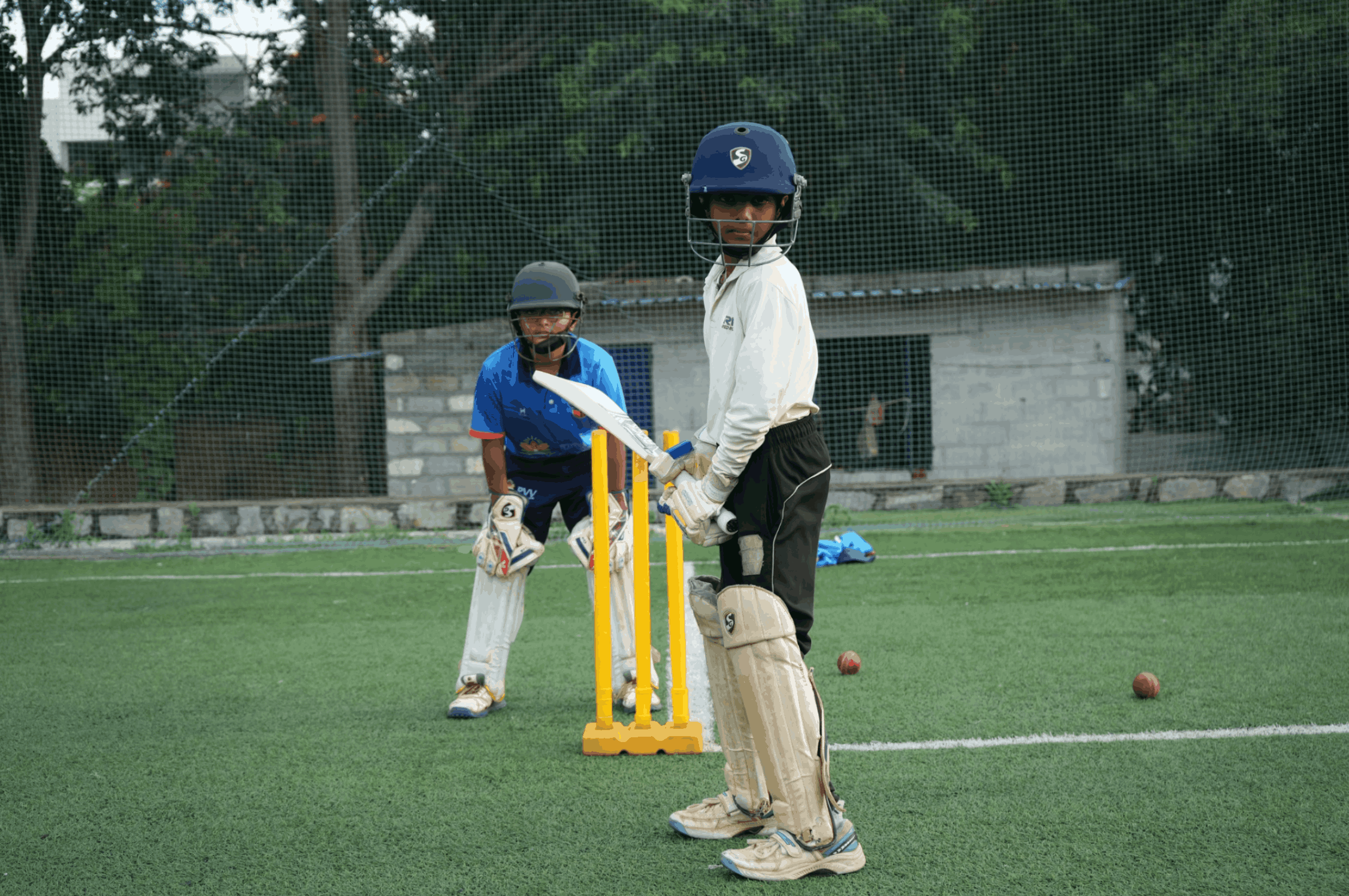
Physical activity increases blood flow and oxygen to the brain, which supports concentration, memory, and problem-solving. Exercise also triggers the release of chemicals like dopamine and serotonin that improve mood and reduce anxiety. Children who move regularly tend to sit still and focus better once they're back at their desks.
This isn't a minor side effect. Movement breaks between lessons, structured physical education, and organised sport all give the brain a chance to reset. Teachers who work with active children often report shorter attention lapses and quicker recovery from restlessness, especially in the younger grades where sitting still for long stretches is genuinely hard.
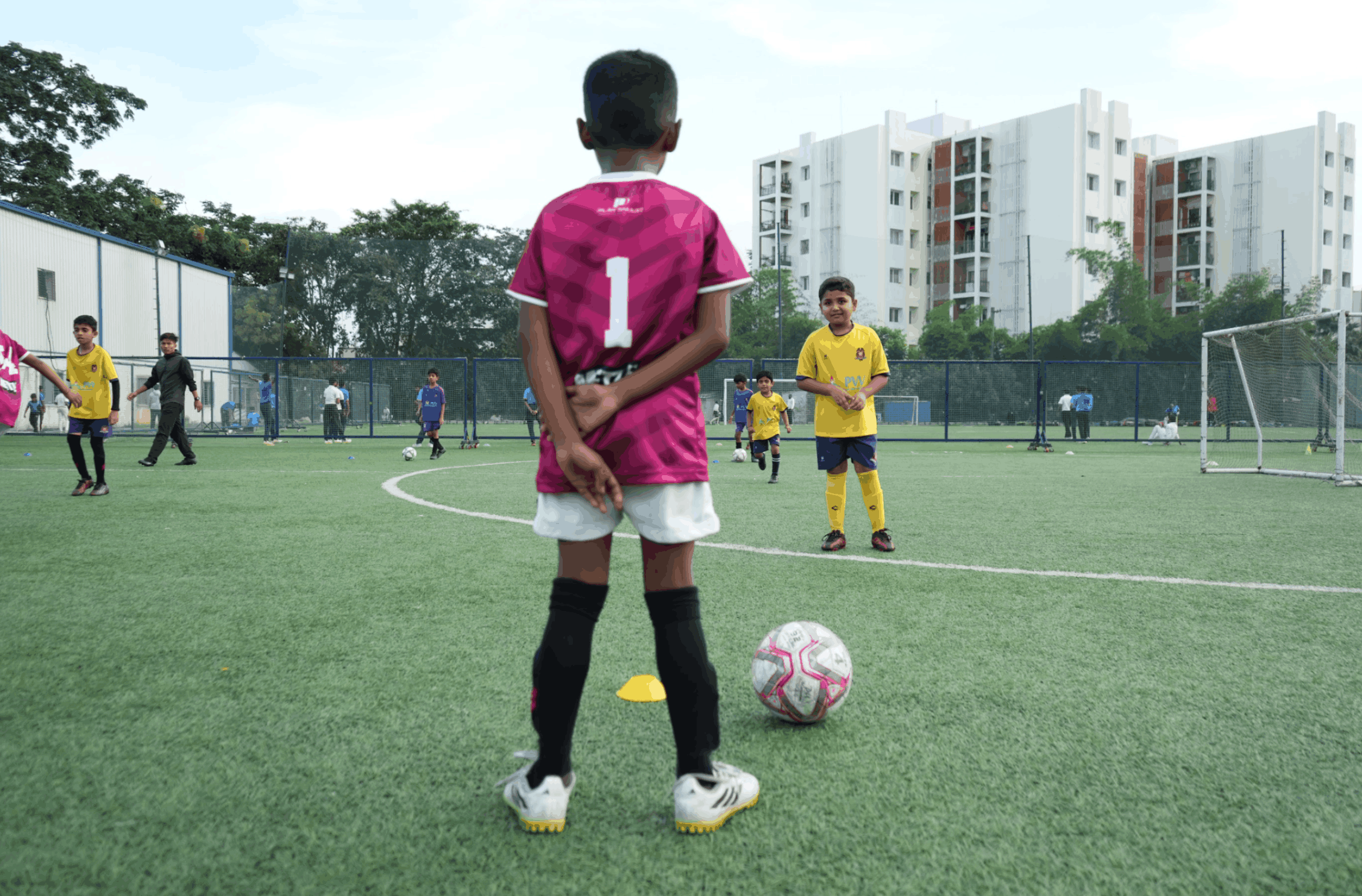
Ask any coach what separates a good player from a great one, and discipline comes up before talent. Showing up for practice on a tired morning, following a training plan, and respecting a coach's instruction all require the same muscle a student needs to finish homework without being told twice.
Children who train in sport learn to:
None of these are natural instincts in a young child. They're learned, and the practice field is one of the most effective classrooms for learning them.
Children learn teamwork, leadership, time management, and emotional regulation through sports. They also learn how to lose gracefully and win without arrogance, skills that matter far beyond the field. These lessons rarely come from a syllabus; they come from repeated experience under real pressure.
A missed goal in the final minute, a dropped catch, a race lost by a fraction of a second: these moments teach children how to sit with disappointment and try again. That resilience shows up later in exam halls, in group projects, and in every setback a child will eventually face as an adult.
Classroom group work is often carefully engineered so that everyone contributes evenly. Sport doesn't offer that luxury. A team either coordinates under real pressure or it loses, and children feel that consequence immediately.
Through sport, children learn to read teammates, adjust their role for the good of the group, and communicate quickly under stress. A child who has captained a school team or organised a relay handoff understands leadership at a level no worksheet can teach. These are the same instincts that later show up in student councils, science fair teams, and eventually, workplaces.
.png)
India's National Education Policy 2020 marked a clear shift, positioning sports and physical education as integral to holistic development rather than a co-curricular extra. CBSE schools now treat Health and Physical Education as a structured part of the timetable, with assessment frameworks that value fitness and skill alongside academics.
This policy shift reflects something schools on the ground have already noticed: children who train physically tend to arrive at academic work calmer, more focused, and more willing to persist through difficulty. Sport isn't positioned as a break from learning anymore. It's treated as a form of learning in itself.
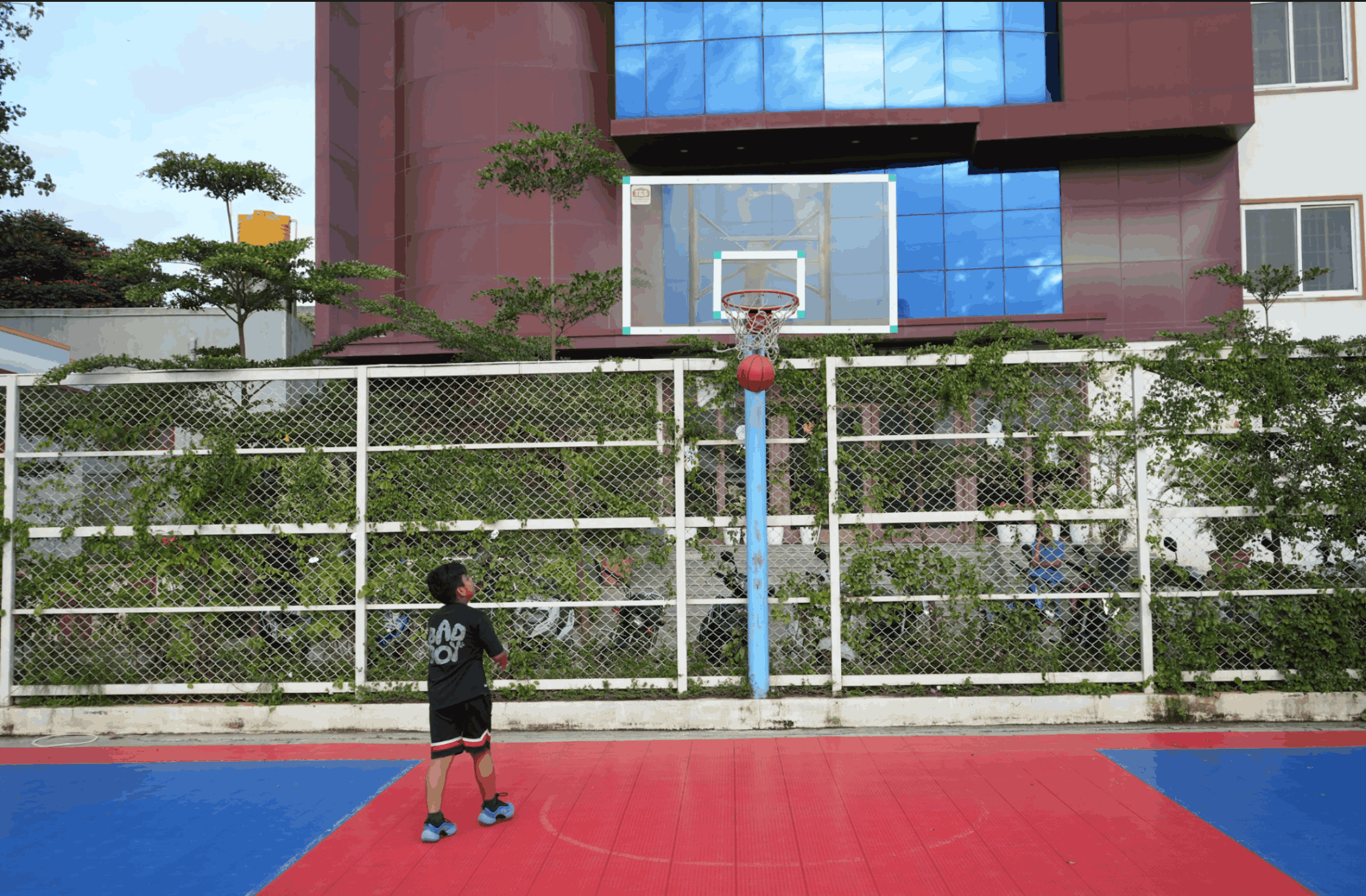
At Poorna Vikasa Vidyalaya (PVV) in JP Nagar, this isn't a policy line, it's a daily practice. The school's tagline, "Where Values Shape Champions," reflects a belief that athletic training and character development are the same project, not two separate ones.
PVV's four-stage Holistic Pathway, Discover, Explore, Grow, and Excel, gives sport a defined role at every stage of a child's schooling. In the early years, children discover movement through guided play. As they grow, structured coaching in football, cricket, swimming, badminton, and basketball builds skill alongside discipline. By the senior years, many students carry what they've learned on the field directly into leadership roles in the classroom and beyond.
The school backs this with facilities built for serious training: a full-sized football ground, professional cricket nets, a swimming pool, and dedicated courts, all guided by trained coaches through its dedicated Sports Program. PVV students have represented the school at state-level competitions in cricket, proof that the investment translates into real results. A full tour of the campus is available on the facilities page.
What sets PVV apart is how sport sits alongside its values curriculum. Yoga sessions and classes drawing on the Bhagavad Gita run in parallel with athletic coaching, reinforcing the same lessons: self-discipline, resilience, and respect for others. A child doesn't have to choose between becoming an athlete and becoming a well-rounded person at PVV; the school's approach assumes both grow from the same root.