
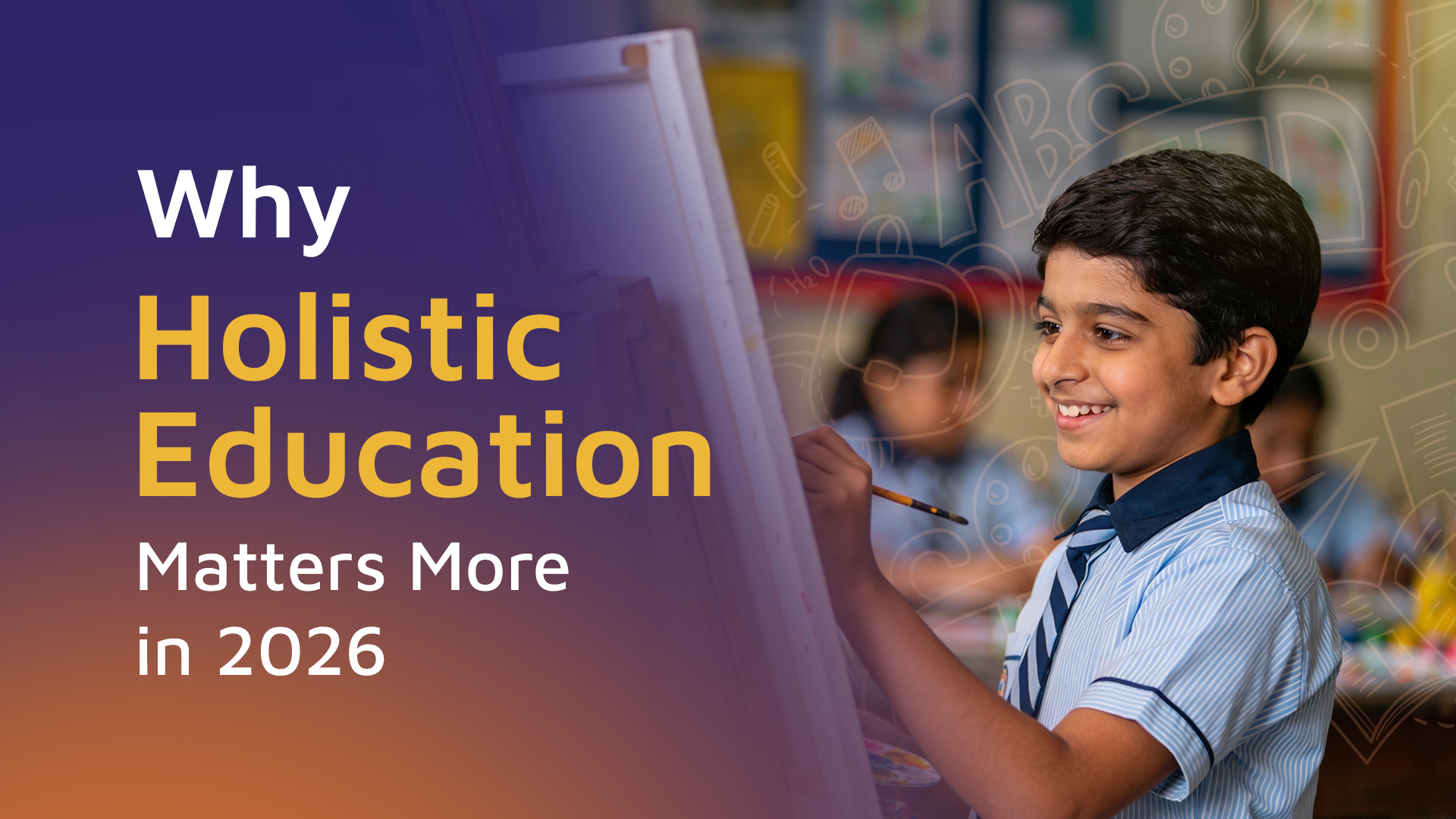
In 2026, education is no longer defined by marks alone. The world our children are stepping into is dynamic, unpredictable, and deeply interconnected. Success today requires more than academic excellence, it demands adaptability, emotional intelligence, creativity, and strong values.
This is where holistic education becomes not just important, but essential.
Traditional education systems focused heavily on academic performance. While strong academics remain important, they are no longer sufficient on their own.
Modern education recognizes that children need to develop across multiple dimensions intellectual, emotional, physical, social, and ethical. Schools that embrace this approach prepare students not just for exams, but for life.
At its core, holistic education ensures that learning goes beyond textbooks and becomes a meaningful, lifelong process.
The demands of the future workforce have changed dramatically. Employers and institutions increasingly value skills such as:
These are not skills that can be memorised, they must be experienced and practiced.
Holistic education creates opportunities for students to engage in activities like sports, arts, leadership programs, and collaborative projects, helping them build these essential life skills naturally.
In today’s fast-paced world, student stress, anxiety, and social pressures are on the rise. Academic success without emotional well-being can lead to burnout and lack of confidence.
Holistic education addresses this by focusing on:
Schools that prioritize emotional development create environments where students feel supported, understood, and motivated to learn.
One of the defining features of holistic education is experiential learning by doing.
Instead of passively absorbing information, students:
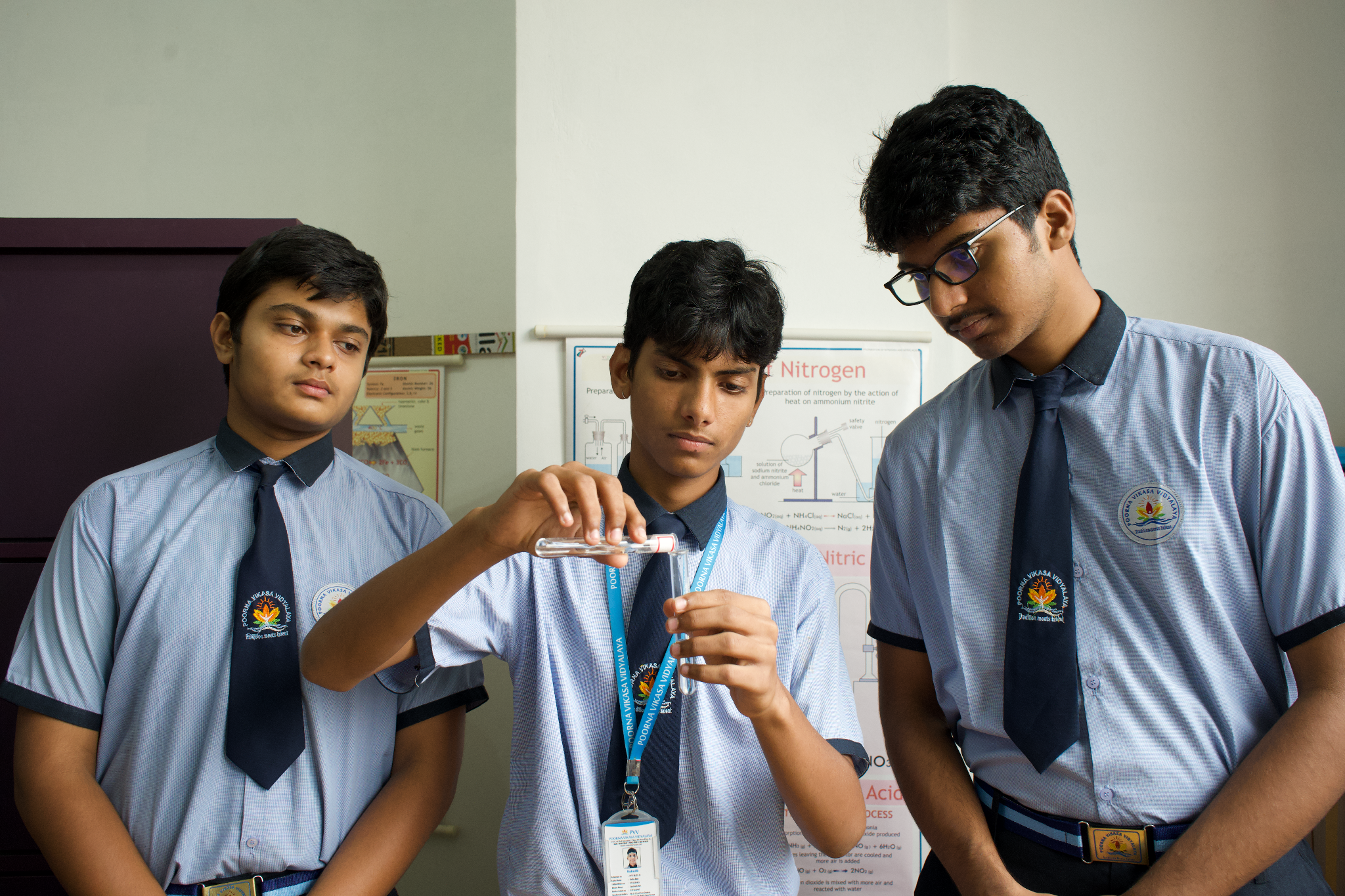
This approach strengthens understanding and builds independence, curiosity, and a genuine love for learning.
Educational models that follow stages like discovery, exploration, growth, and excellence highlight how learning evolves when students are actively involved in the process.
Holistic education places equal importance on co-curricular activities alongside academics.
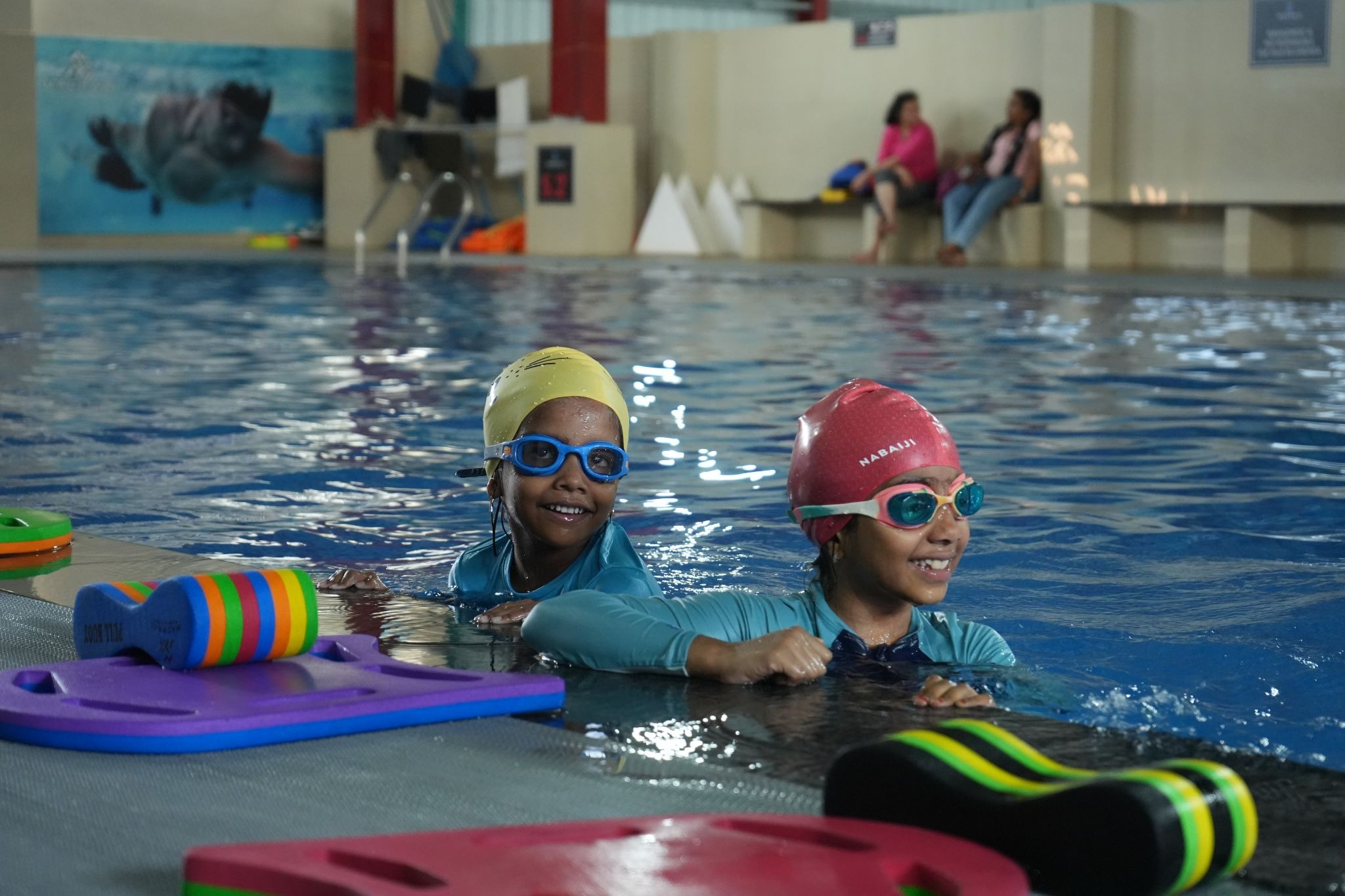
Sports, for example, do more than build physical fitness, they enhance focus, discipline, teamwork, and leadership. Similarly, arts and creative pursuits encourage self-expression and innovation.
Students exposed to diverse activities develop confidence and discover their unique strengths, shaping well-rounded personalities.

In an era driven by technology and competition, values matter more than ever.
Holistic education integrates character development into everyday learning, helping students cultivate:
These values guide students not only in school but throughout their lives, enabling them to become responsible citizens and compassionate leaders.
The world is evolving rapidly with advancements in AI, technology, and global connectivity. Students must be prepared to thrive in this environment while staying grounded in their identity.
Holistic education bridges this gap by combining:
This balance ensures that students are both future-ready and value-driven.
True education lies in balance.
A holistic approach nurtures:
When all these aspects come together, students don’t just succeed, they thrive.
In 2026, the question is no longer “How much does a child know?” but “Who is the child becoming?”
Holistic education answers this by shaping individuals who are confident, compassionate, capable, and conscious of their role in the world.
Because the goal of education is not just to create high achievers
it is to nurture well-rounded human beings ready to lead meaningful, impactful lives.